Industrial electronics & equipment
Fault analysis, component level board repair, and rework for equipment you still depend on, with testing planned around the functions that matter.
More about repairsTroubleshooting, advanced repair, and custom technical work for industrial electronics and legacy or historic computer systems. Have something unusual? That's our specialty! Start with a description of the equipment and the problem.
Based in Taylors, South Carolina
A failed board, an aging computer, a part you can’t find—Let us solve it for you. The first step is finding a practical way forward.
Fault analysis, component level board repair, and rework for equipment you still depend on, with testing planned around the functions that matter.
More about repairsOlder computers often have a job that newer hardware can't simply take over. Hardware, interfaces, and configuration all deserve a second chance at production.
More about systemsSometimes the missing piece is a part, adapter, enclosure, or test fixture designed to suit the job.
More about custom workExplore a few repairs and technical projects, including an SGI Supercomputer restoration that’s still underway. Photos and fuller write-ups are on the way.
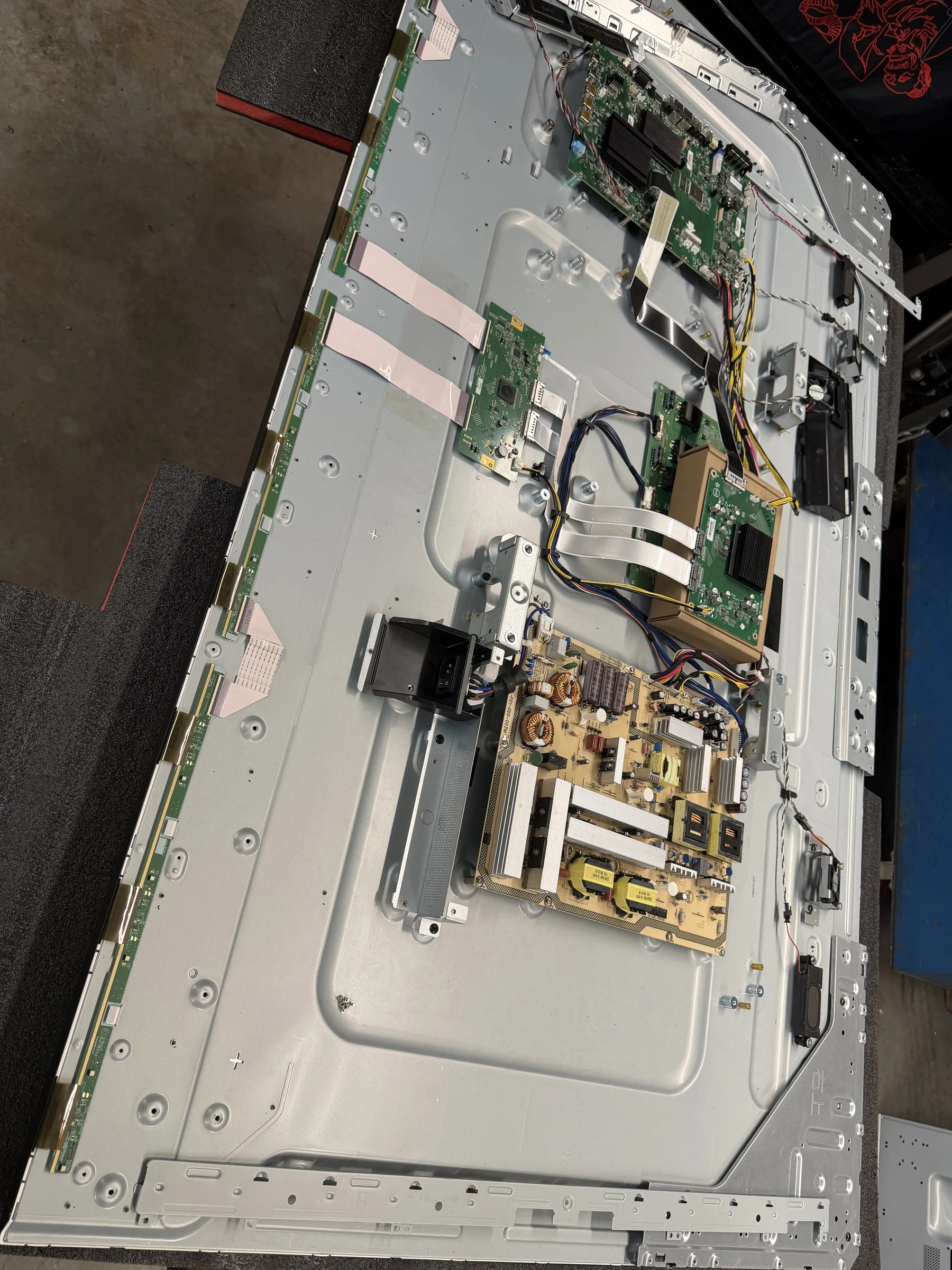
An NEC monitor repair, with photos and repair notes being prepared for a closer look at the job.
View project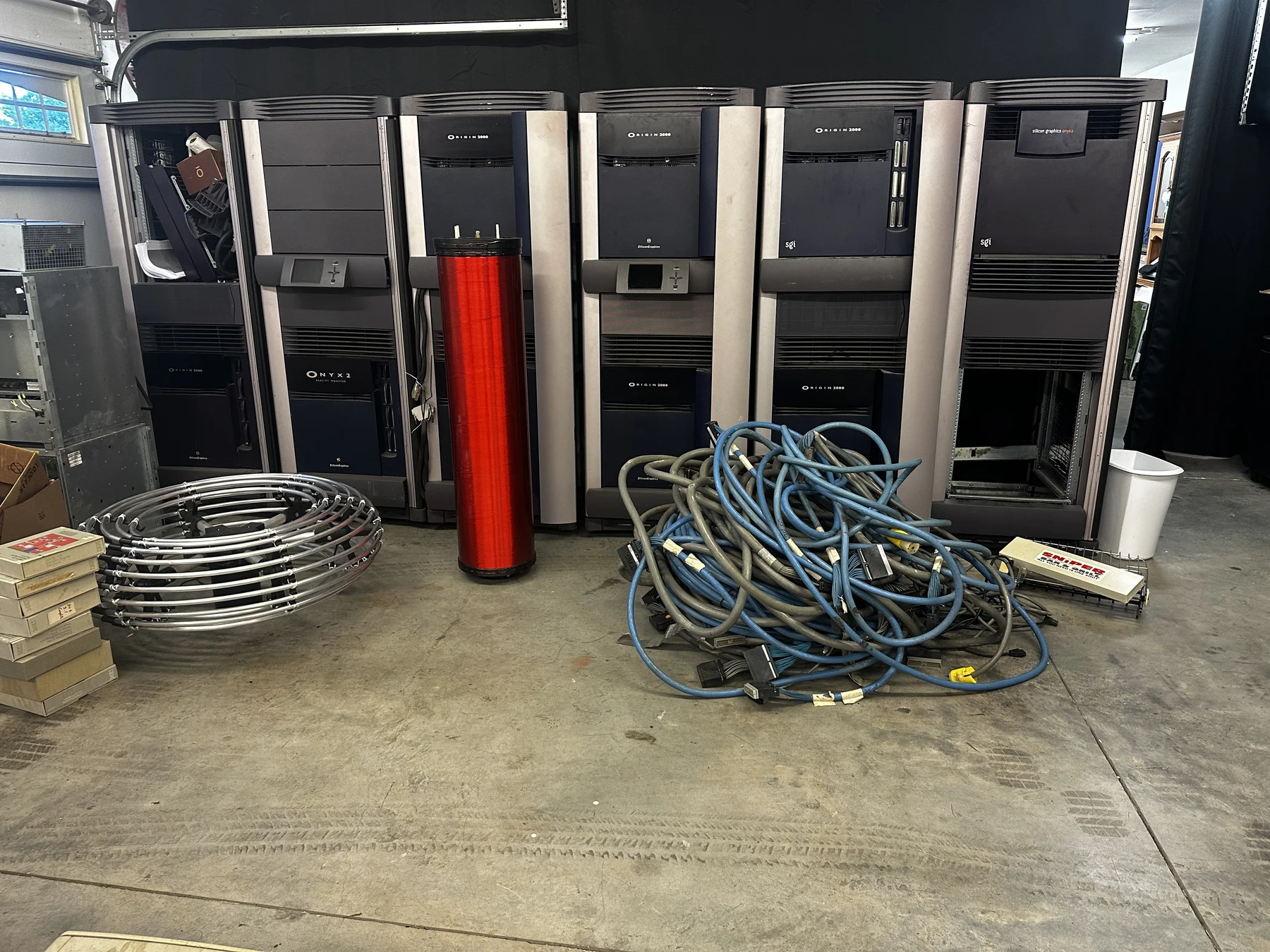
An SGI supercomputer restoration that's still underway, with progress notes to follow as the work continues.
View projectCustom parts, holders, enclosures, and adapter boards made to help a project fit, connect, or work as intended.
View projectYou don't need to arrive with a diagnosis. Keep it simple. Describe what your equipment is doing and what you would like to resolve. A review of those details helps establish the next step- be it an on-site analysis, more information etc.
What happens nextDescribe the equipment, the problem, and the result you're hoping for.
A review of the finer details helps identify any missing information we could use to better serve you, and the possible next steps.
The work, cost, timing, testing, and delivery are agreed upon before it ever begins.
Old computers and electronics can matter for more than what they do. Collections, museum pieces, and machines with personal significance each call for care that reflects their history.
That might mean preserving the equipment as it is, bringing selected functions back, or planning a return to operation. What matters to you is the starting point.
Talk about restoration